Latest News

Workshop dates for Semester 1, 2009 are now available. link

Domabotics awarded a Peter Doherty Award for excellence in science education. link

Resources

Datalogging Activities for the Busy Teacher

Classroom Activities for the Busy Teacher: NXT

Classroom Activities for the Busy Teacher: RCX

Blog

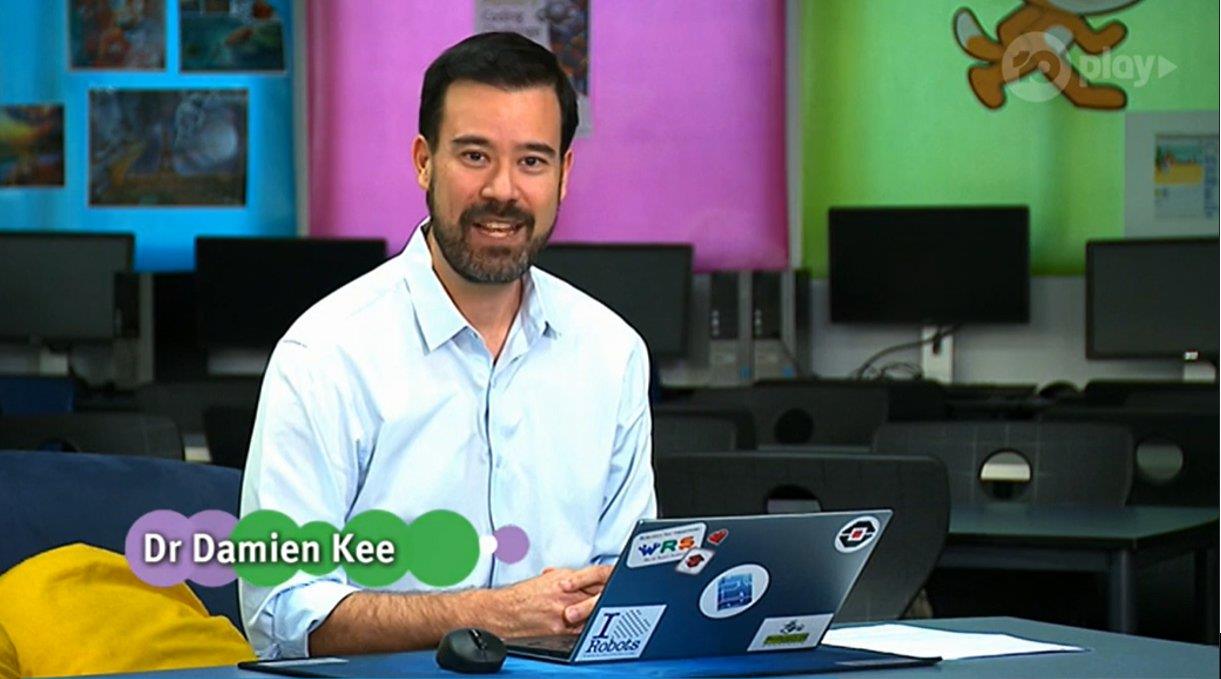
Dr Damien Kee is also a contributor to the popular NXTstep blog, a website by the top LEGO MINDSTORMS experts from around the world.
Complete NXTstep blog
All Damien's articles

Testimonials

"Loved how it was so hands on. Great work. Can't wait to sign up for further courses."

"A useful and practical session that highlights the links between robotics and curriculum. Thanks."

"Very well paced, explained all necessary details and not just 'this is what you do.' Very well delivered."

more...

Welcome to Domabotics

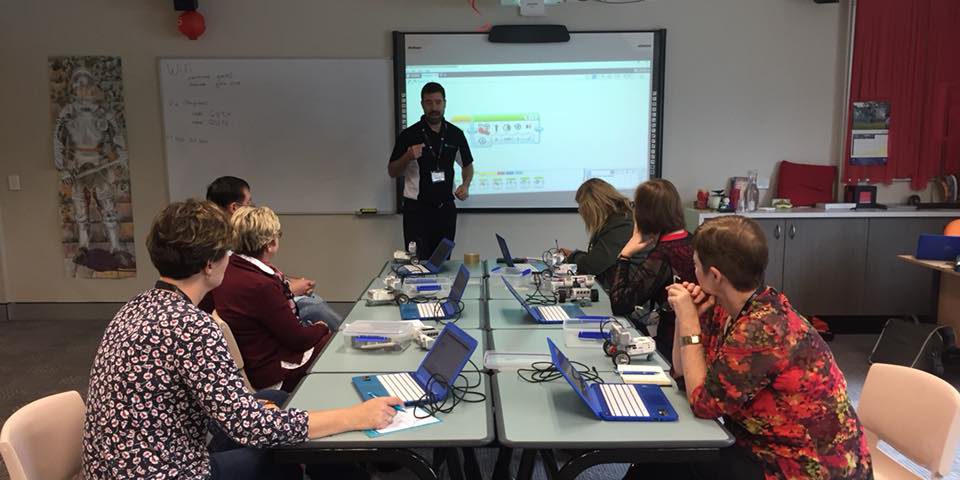
Domabotics supplies professional development training for teachers in the field of Robotics Education.

We provide:


Domabotics professional development workshops are endorsed by the Science Teachers Association of QLD (STAQ) and the QLD Society of Information Technology Educators (QSITE).
http://www.staq.qld.edu.au/item.asp?pid=1095
http://www.qsite.edu.au/deliver/content.asp?pid=827


Domabotics maintains the 'Robotics in Education' mailing list. This mailing list for teachers provides a forum for discussion into the issues facing robotics in the classroom. This list also provides a means to ask and answer questions from fellow teachers around the country.

Subscribe to robotics in education mailing list
Email:


Mailing List Publications

From time to time we collect and collate ideas that have been posted on the mailing list.

Why teach Robotics?

Robotics is fast becoming an integral part of the school curriculum with it's ability to integrate across a broad range of topics, most notably the Technology, Science and Math Key Learning Areas.

Robotics encourages kids to think creatively, analyse situations and apply critical thinking and problem solving skills to real world problems. Teamwork and co-operation are a cornerstone of any robotics project. Students learn it is acceptable to make mistakes, especially if it leads them to better solutions.

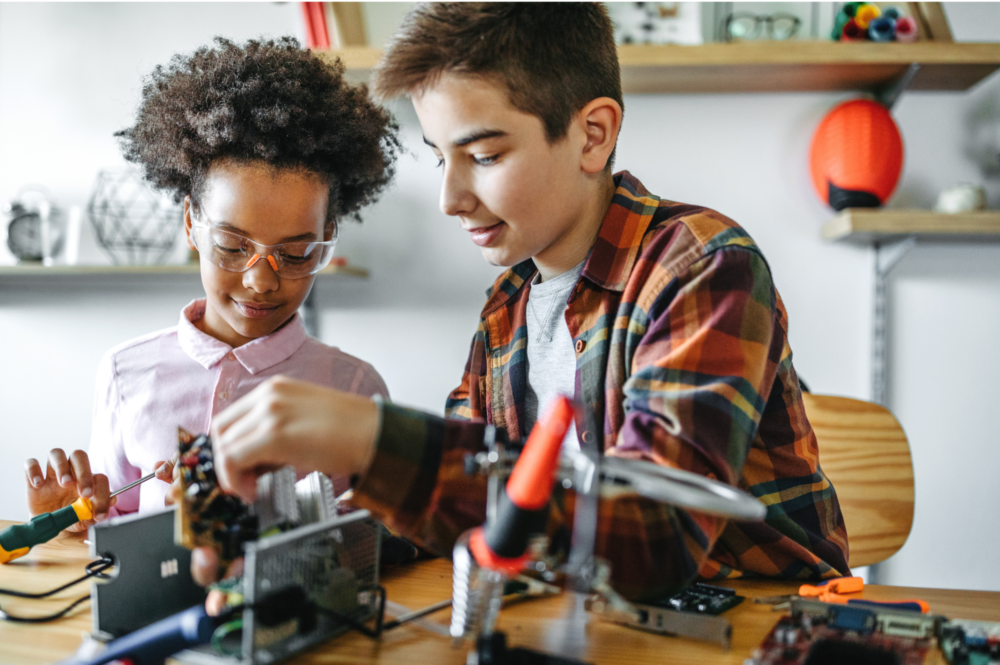
Robotics is a fun and engaging way to teach fundamental technology, maths and science concepts. There are several key facets that the teaching of robotics promotes:

  • Problem Analysis: Robotics encourages students to take a broad look at a situation and identify exactly what problem needs to be solved. Real world applications are easily found, giving students context for their project. Before any construction can begin, students must identify "what need will this robot fulfill?". With this in mind, how should the robot be designed to meet these need?
  • Real World Design: With an application in mind and an idea of implementation, students can now begin the design process. This stage provides great rewards for students as the as they produce physical realisations of conceptual ideas. There is plenty of opportunity for refinement and improvement as they discover errors in their plans and issues they would never have considered during the design stage. Prototypes are quickly built and just as quickly discarded with lessons learnt as students progress towards an optimal solution. Resources must be managed and compromise made between form, function and cost.
  • Programming: There are a variety of programming languages available for robotics, from graphical development environments to text based languages. Programming skills teach students to think logically and to consider multiple situations, as they learn a robot will do exactly as it is told, no more and no less. Information from a variety of sensors must be processed and dealt with logically and as with the design stage, there is ample opportunity for trial and error as students fine tune their robots to perform at their best.